
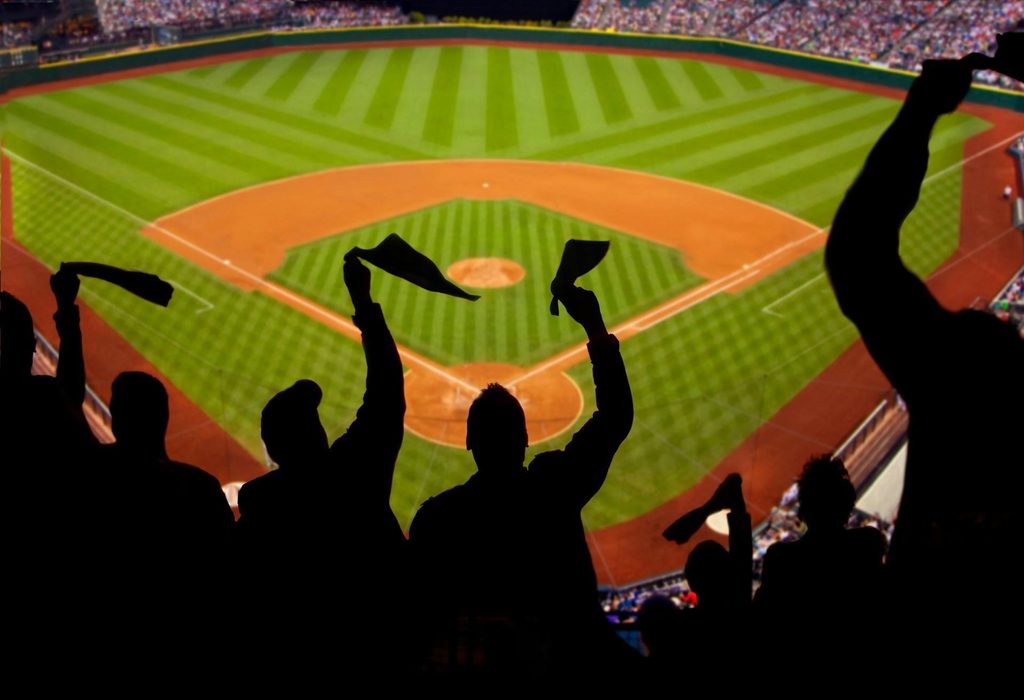
Watching a major sporting event often means spending several hours on the sofa, ordering convenient food, and remaining in the same position from the opening analysis to the final interview. It can be entertaining, but it is not always the best way to spend an entire afternoon or evening.
A better game day does not require skipping the broadcast or turning the occasion into a demanding workout. With a little planning, supporters can combine the excitement of watching their favourite team with movement, fresh air, social activity, and food that provides lasting energy. The result is a viewing experience that feels more like an event and less like another long session in front of a screen.
Start before the broadcast begins
The easiest way to introduce activity into game day is to begin several hours before the opening whistle. Instead of waiting on the sofa for the coverage to start, use the morning or early afternoon for a walk, run, gym session, or recreational game with friends.
The activity does not need to match the sport being shown later. A football supporter can go cycling, while a hockey fan might prefer a short strength workout. The purpose is simply to move before a long period of sitting begins.
This approach also makes exercise easier to complete. Once the pre-match coverage starts, motivation tends to disappear. Scheduling movement earlier removes the temptation to postpone it until after the event, when many viewers will be tired or distracted by the result.
Fans organizing a group viewing can make the activity social. A short basketball game, park workout, or neighbourhood walk creates time for predictions and team discussion without adding more screen exposure. It also gives the gathering a memorable beginning rather than limiting the occasion to the broadcast itself.
Prepare the entertainment in advance
Modern supporters rarely concentrate on the television alone. They may follow team news on a phone, discuss the action in a group chat, participate in a fantasy competition, or check how expectations change during the match. Preparing these elements before the event reduces unnecessary distractions later.
For adults who include wagering in their game-day entertainment, sports betting online provides access to pre-match and live markets across various competitions. Betano Canada allows users to explore available events and market options, although access and specific offerings can depend on location and applicable provincial regulations.
Any wager should be decided within a fixed entertainment budget. It should never compete with essential spending, and a surprising loss should not lead to an attempt to recover money through impulsive decisions. Setting a limit before the broadcast is more effective than trying to establish one when emotions are already influenced by the action.
The same principle applies to every digital part of game day. Fantasy selections, predictions, messages, and second-screen apps are most enjoyable when they add context to the contest. If they repeatedly pull attention away from the match and the people in the room, they are no longer improving the experience.
Use natural breaks to move
Commercials, intermissions, half-time, and video reviews create ready-made opportunities for short periods of movement. Even a few minutes can help break up a long stretch of sitting.
A simple break might include walking around the home, climbing the stairs, stretching the hips and shoulders, or completing a small set of bodyweight exercises. Squats, calf raises, wall push-ups, and gentle lunges require little space and no special equipment.
The objective is not to complete a full training session between periods. Intense exercise without a warm-up can be uncomfortable, particularly in a crowded living room. Light movement is enough to change position, increase circulation, and reduce the stiffness that often develops during a long broadcast.
The Public Health Agency of Canada encourages adults to make physical activity part of everyday life and to reduce prolonged sedentary time. Game-day breaks offer a practical opportunity to apply that advice without missing meaningful action.
Families can make these breaks more engaging by creating a simple activity challenge. Everyone might complete ten squats after a goal, walk during commercials, or stretch at half-time. The challenge should remain optional and suitable for each person’s ability, especially when children, older adults, or guests with limited mobility are present.
Build a smarter game-day menu
Traditional sports-viewing food is often salty, heavy, and easy to overeat. There is nothing wrong with enjoying familiar favourites, but an entire table does not need to consist of fried food and sweets.
A balanced game-day spread can include wraps, vegetable sticks, hummus, fruit, popcorn, grilled chicken, chilli, or homemade sandwiches. Serving food on plates rather than leaving large packages open makes portions easier to notice. It also reduces absent-minded eating during tense moments.
Protein and fibre are particularly useful because they help meals feel satisfying. Foods such as beans, Greek yogurt, eggs, lean meat, whole grains, and vegetables can provide steadier energy than a continuous supply of sugary snacks.
Hydration deserves attention as well. Exciting games can last several hours, and viewers may forget to drink water, especially if other beverages are available. Keeping a jug or reusable bottle nearby makes hydration convenient without interrupting the match.
Preparing the food in advance also improves the social experience. Nobody needs to spend an important part of the contest cooking, and fewer last-minute deliveries mean less packaging and expense.
Choose clothing for comfort, not only team colours
A game-day outfit often begins with a team jersey, but comfort should matter too. Supporters who plan to walk, exercise, or play outside before the broadcast need clothing that works for both activity and relaxation.
A breathable base layer under a jersey can help regulate temperature. Supportive footwear is important if the day involves walking or standing for long periods. In colder Canadian weather, an insulated jacket, gloves, and moisture-resistant shoes can make an outdoor pre-game activity far more appealing.
Fans watching from home may not need technical sportswear, but loose clothing that permits movement makes it easier to stretch during breaks. A foam roller or resistance band can also be kept nearby, although neither is necessary for a useful mobility routine.
The best gear is not automatically the most expensive. It is the equipment that suits the weather, activity, and individual wearing it. Game day should not become an excuse to purchase products that will rarely be used again.
Make the social experience the priority
Sport is especially powerful when it creates a reason for people to spend time together. A well-planned gathering should therefore leave room for conversation rather than turning every guest into a silent spectator.
Fans can also make game day more social by watching somewhere designed for a group atmosphere rather than staying home. In Southern California, for example, Viejas Casino & Resort includes Baron Long Bar & Grill, a sports bar with 16 TVs, including ten 85-inch screens, alongside American-style food, local craft beer, and cocktails. Venues like this can turn the broadcast into more of a shared outing, particularly for major games when the atmosphere becomes part of the experience.
Not everyone follows the same team or understands every rule. Hosts can make the event more welcoming by briefly explaining the competition, introducing guests, and offering activities for anyone who loses interest in the broadcast. A deck of cards, a small tabletop game, or an outdoor space can prevent the occasion from depending entirely on the score.
Competition between supporters should remain friendly. Rivalry adds energy, but personal insults and aggressive behaviour can quickly damage the atmosphere. The same restraint should apply online, where emotional reactions are easy to publish and difficult to withdraw.
Alcohol, if served, should be accompanied by food, water, and non-alcoholic choices. Guests also need a safe way home. Planning transportation before the match is a small detail that can prevent a serious problem later.
Finish the day with a reset
When the broadcast ends, many viewers remain seated for interviews, analysis, and social media reactions. A short post-game walk offers a cleaner conclusion. It provides movement after several hours indoors and gives supporters time to discuss the decisive moments without immediately entering another stream of online commentary.
This habit can be especially helpful after a frustrating result. Physical movement creates distance from the emotions of the contest and reduces the temptation to argue online. A relaxed ten-minute walk may be more useful than repeatedly watching the same controversial decision.
Fans who watched an evening event can finish with gentle stretching instead. Lowering screen brightness, putting the phone aside, and returning to a normal bedtime routine may also make it easier to sleep after an exciting game.
A tradition worth repeating
An active game day is not about turning every sporting event into a fitness challenge. It is about adding a few decisions that make the occasion healthier, more social, and more enjoyable.
A pre-match walk, planned meal, movement during breaks, and short post-game reset require little equipment or specialist knowledge. Over the course of a season, however, these small habits can prevent viewing routines from becoming completely sedentary.
Supporters do not have to choose between loving sport and looking after themselves. By treating game day as a complete experience rather than only a broadcast, they can enjoy the competition while creating traditions that are worth repeating long after the final whistle.